LD 251 – Le Psautier de Jésus, 2
Parmi les citations de l'Écriture que font les évangélistes, saint Paul et les autres auteurs du Nouveau Testament, les Psaumes occupent une place privilégiée. Les disciples de Jésus, qui ont…

LD 251 – Le Psautier de Jésus, 2
Parmi les citations de l'Écriture que font les évangélistes, saint Paul et les autres auteurs du Nouveau Testament, les Psaumes occupent une place privilégiée. Les disciples de Jésus, qui ont…
Saint Paul sur les routes du monde romain
Voyager ne va pas de soi dans l'Antiquité ! Or saint Paul a beaucoup voyagé. Pour ce faire, il a naturellement utilisé les moyens de transport et les infrastructures tant routières…

La vie quotidienne, l'administration, les problèmes économiques de l'ancien Israël revivent grâce à ces « ostraca », ces tessons de poterie sur lesquels on écrivait des ordres, des listes, des messages. L'histoire…

Le célèbre dialogue "platonicien" sur l'âme et sur la résurrection est aussi discours de consolation: Grégoire a connu plusieurs deuils - dont celui de son frère Basile le Grand -…
Somme théologique : Le Verbe incarné, III
Alors que les réalités directement assumées constituaient la matière du premier volume, la deuxième partie s'attachait à ce que Thomas d'Aquin nomme les "réalités co-assumées" : les perfections (la grâce,…
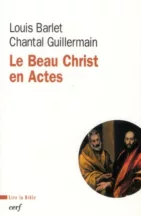
Après nous avoir invités à lire le troisième évangile en fixant notre regard sur le beau visage de Jésus de Nazareth, les auteurs poursuivent la lecture de l'œuvre de Luc…

Maître Eckhart et les Béguines
Dans ce travail de recherche, nous nous proposons d'analyser la pensée de Maître Eckhart au regard de plusieurs oeuvres "béguinales" que sont Le Miroir des âmes simples de Marguerite Porete,…
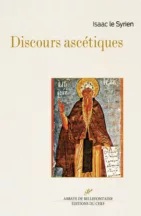
Voici publiés pour la première fois, à partir de la version originelle syriaque, les Discours ascétiques d’Isaac le Syrien, une des oeuvres majeures de la tradition spirituelle de l’Orient chrétien.…

La tâche n'était pas aisée : écrire la vie et dresser le portrait d'un père qu'on n'a presque pas connu, qui plus est prêtre et vénéré comme saint par l'Église.…
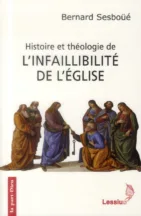
Histoire et théologie de l’infaillibilité de l’Eglise
La doctrine catholique de l'infaillibilité de l'Eglise, et particulièrement de celle du pape, fait difficulté. Cette "prétention" est souvent jugée abusive et parfois même intolérable, en contradiction en tout cas…
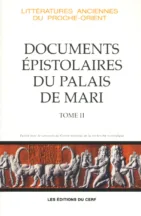
Les Documents épistolaires du palais de Mari, II
Fouillé dans les années 30 par l'archéologue français Jean Perrot, le palais royal de Mari (Tell Hariri, en territoire syrien), sur la rive droite (donc occidentale) de l'Euphrate, a livré…
Saint Luc est non seulement un narrateur génial, mais aussi un historien et un théologien digne de ce nom. Si son récit a des traits fortement biographiques et apologétiques, il…