LD 196 – Livres de Samuel et récits de résurrection
On dit habituellement que la foi en la résurrection n'est formulée dans l'Ancien Testament que dans les écrits les plus tardifs et que l'idée de résurrection est le fruit d'une…

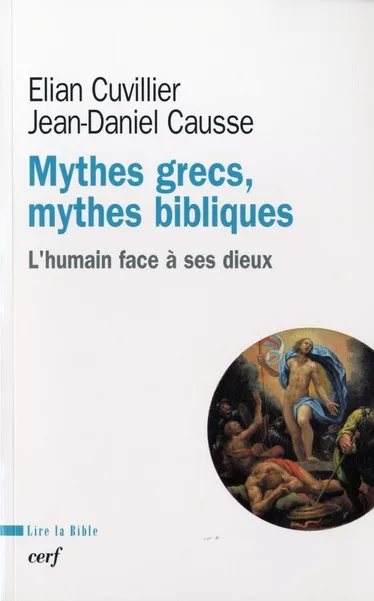
LD 196 – Livres de Samuel et récits de résurrection
On dit habituellement que la foi en la résurrection n'est formulée dans l'Ancien Testament que dans les écrits les plus tardifs et que l'idée de résurrection est le fruit d'une…

Et si je disais les chemins de l’enfance
Né en 1923, évêque de Byblos, Botris et du Mont-Liban, Mgr Georges Khodr est l’un des grands inspirateurs du renouveau de l'Église orthodoxe au Proche-Orient. Théologien renommé, éditorialiste influent, homme…
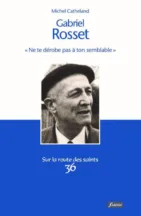
Véritable « abbé Pierre » de la région lyonnaise, Gabriel Rosset (1904-1974) a consacré sa vie à venir en aide aux sans-abris, aux travailleurs immigrés, à toutes les personnes en…

LD 118 – La Contre-épopée du désert
Après « Le Partage de minuit », qui suivait pas à pas les récits de la Genèse, voici le commentaire de l'Exode, du Lévitique et des Nombres. La Genèse avait déroulé la…

Études sur la spiritualité de l’Orient chrétien
Faisant suite au volume publié dans cette collection en 1979, « Aux origines du monachisme chrétien », ce nouveau recueil contient certains articles qui touchent encore au monachisme ; mais, d'une façon plus…
Trois figures féminines dans la vie de saint Benoît
Voici un livre de rencontres inattendues: la vie de saint Benoît, patriarche des moines d'occident, est éclairée par la rencontre de femmes qui balisent pour lui un itinéraire vers la…

LD 239 – Israël dans la mission chrétienne
Vigoureux appel à l'unité entre juifs et gentils comme condition à la mission chrétienne, la « Lettre aux Romains » de Paul est à même de fonder de nouvelles relations entre juifs…

LD 267 – Célébration et sainteté
La religion, avant d’être une éthique, est d’abord une célébration. C’est à la prière collective d’Israël qu’est consacré, au sein du Pentateuque et comme une part insécable de la Torah,…

Jésus, le Juif central, son temps et son peuple
Parlant de Jésus, Martin Buber disait qu’il fut « le plus juif de tous les juifs ». Il est vrai que sur les plans spirituel et religieux, Jésus est d’abord…

LD 241 – À qui me comparerez-vous ? (Is 40,25)
Le Deutéro-Isaïe (Is 40-55) présente une collection d'oracles qui ridiculisent le culte des idoles et la représentation humaine des divinités anciennes. Cette polémique contre l'idolâtrie est ici étudiée à la…
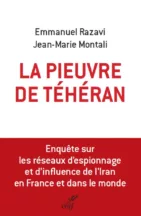
Comment, depuis 45 ans, l’Iran des mollahs tisse-t-il sa toile en Occident ? Quels sont ses réseaux d’espionnage et d’influence ? Qui sont ses associés, ses affiliés, ses affidés ?…
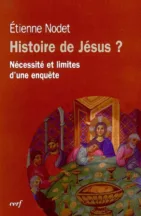
Tout chrétien se demande, parfois obscurément, quelle est le rapport entre ce qu'il vit aujourd'hui et ce qui s'est passé au temps des disciples de Jésus. Beaucoup ont quitté l'Église,…